Real stories & research · 9 October 2026 · 6 min read
Why 89% of sole traders don’t want traditional accounting software
We asked Australian sole traders how they manage their money. Their answers point to a simpler, calmer kind of financial tool.

Most people who pick up an ABN do it because they are good at what they do, whether that is graphic design, tutoring, fixing things, or taking on consulting work alongside a regular job. Very few people start working for themselves because they want to spend Sunday evening reconciling bank feeds.
Yet many of the tools available to sole traders assume you have a finance department, or that you want to run your life like a medium-sized company. We wanted an honest picture of how independent workers are actually managing, so Indi ran a small exploratory survey with Australian sole traders, creatives and people earning business income on the side.
One result stood out. Almost nine in ten respondents, 89%, preferred a simpler alternative to traditional accounting software. What they described was focused, practical and priced for the scale of a solo business.
44%
had no system in place
2.5/5
average tax-time confidence
89%
said $50–$80 a year felt reasonable
The reality of day-to-day tracking
The software industry likes to picture every business owner opening a tidy dashboard each morning. In our survey, nearly half of respondents, 44%, said they had no system in place at all.
Others made do with whatever was close by: their personal banking app, photos on their phone, notes, email searches and a spreadsheet last updated around tax time. The problem was not a lack of effort. It was that the process asked too much of people who were already busy doing paid work.
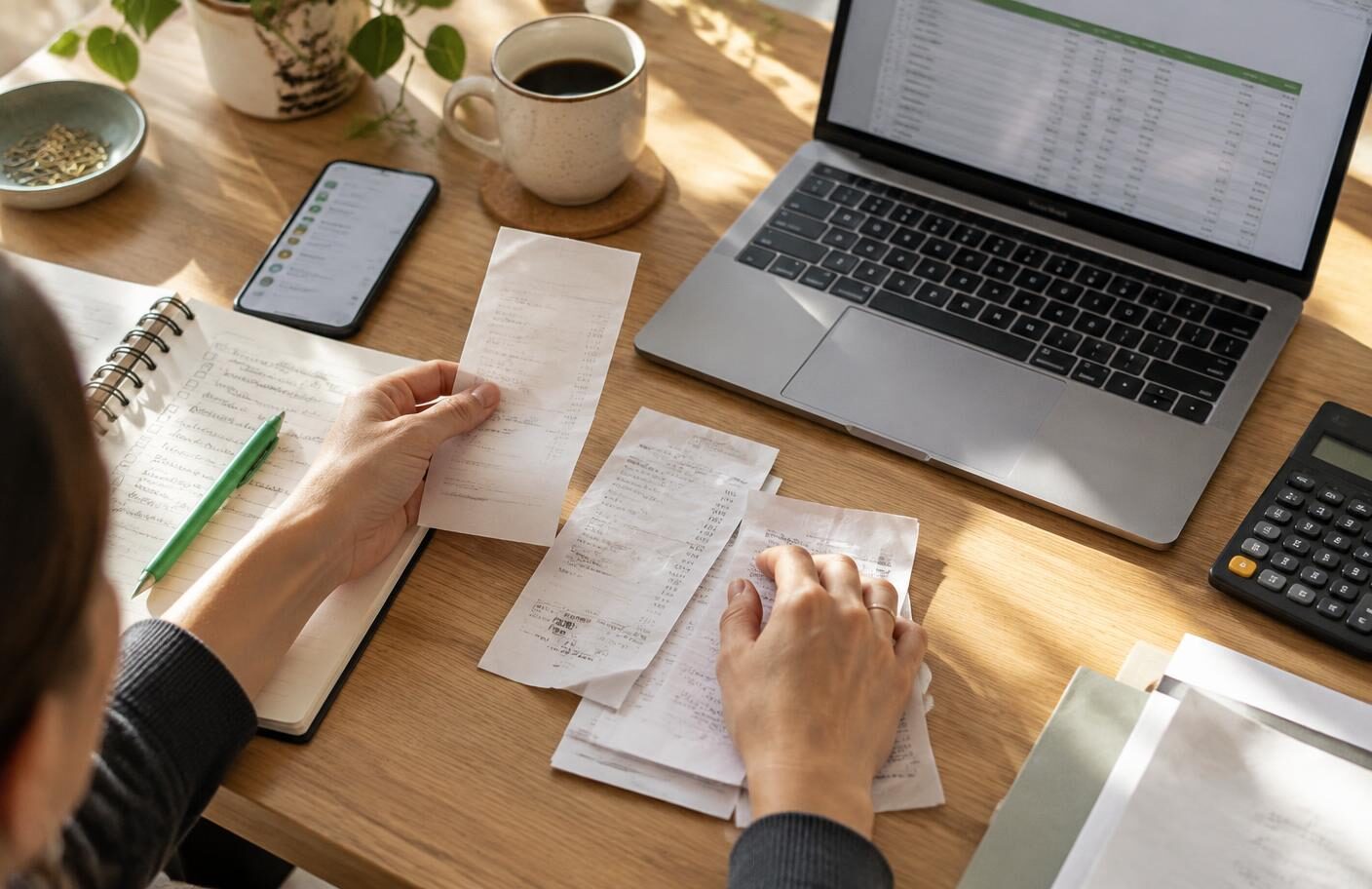
When we asked what made financial admin difficult, the answers were familiar:
“Keeping track of what I've earned and just finding the time to stay on top of it.”
“Separating personal and business expenses when you are doing a side hustle on top of full-time work.”
“Knowing which invoices are still unpaid and what expenses might actually be deductible.”
When a system feels like hard work to open, people put it off. Nobody wants to spend twenty minutes clicking through account codes after a long day of client work.
The tax-time confidence gap
We asked respondents to rate how organised they felt at tax time from 1 to 5. The average was 2.5, and not one person rated themselves a 5. Most said they looked at their records around tax time or barely at all.

That broader pressure is not unique to our respondents. Hnry's published Australian Sole Trader Pulse research has also documented the time and money self-employed people lose to financial admin and missed deductions. The exact experience will differ from person to person, but the pattern is easy to recognise: basic record keeping can consume time without leaving people confident that everything is complete.
What sole traders are actually asking for
People did not ask for more features. More than half wanted something between a spreadsheet and complex accounting software. The rest wanted a lightweight tool that would simply keep them organised. Nobody in this survey chose a full accounting suite.
The priorities were practical:
- Keep receipts attached to the expense so the evidence is easy to find.
- Show what income has arrived and which invoices are still unpaid.
- Make tax-time readiness understandable without accounting jargon.
- Hand clean, useful records to an accountant at the end of the financial year.
“Perform better than QuickBooks. Provide an easy-to-read dashboard, and make it quick to use.”
The question of price
Mainstream accounting products are usually sold as monthly subscriptions, and their entry plans can add up to several hundred dollars a year. That may be worthwhile for a growing business using payroll and advanced reporting. It can feel out of proportion for a solo operator who mainly needs to keep income, expenses, receipts and invoices together.
In our survey, 89% of respondents felt that a reasonable annual price for a tool designed around sole traders sat between $50 and $80. People were willing to pay for something that saved time and reduced stress. They wanted the price, like the product, to match the scale of their business.
A calmer way to stay sorted
If there is one thing this small survey made clear, it is that the gap is not about adding more accounting features. It is about making basic record keeping easier to keep up with.

Most people need a quick way to log income when it arrives, save a receipt while it is still in their hand and know that their records are ready to review when July comes around. If you are building that routine, our guides to sole trader record keeping and the free sole trader tax calculator are useful places to start. You can also compare Indi with Hnry, Solo by MYOB and QuickBooks.
A few minutes now can save a weekend later
Start with Indi for free and keep your income, expenses, receipts and invoices together as the year happens.
Start using Indi for free